
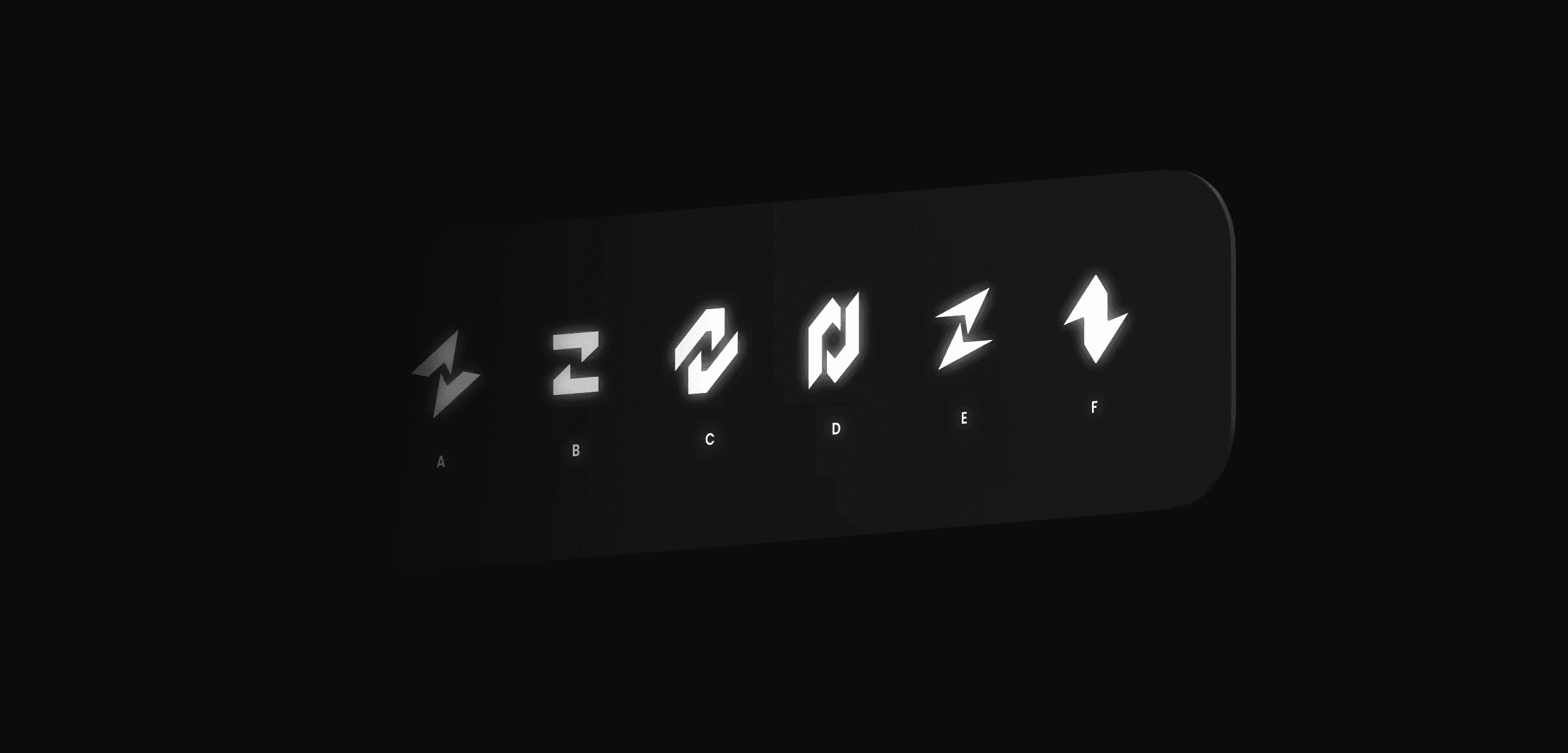
Redefining Zentry: A Deep Dive into Logo
The transition from GuildFi to Zentry was more than just a name change—it was a strategic shift in brand identity. I led the conceptualization of the Zentry logo, ensuring it visually represented our mission of bridging players, games, and opportunities.
Transitioning of Zentry from Guildfi
Key Design Considerations:
- Capturing the Concept of Entry: The logo had to feel like a gateway into something bigger—an open door into the gaming world.
- Modern & Flexible: We wanted something sleek and modular that looked just as good on a website as it did on merch or in-game.
- Refining the Details: It took a lot of iterations to nail the right balance—approachable but with that competitive edge. Typography, iconography, and overall vibe had to be just right.
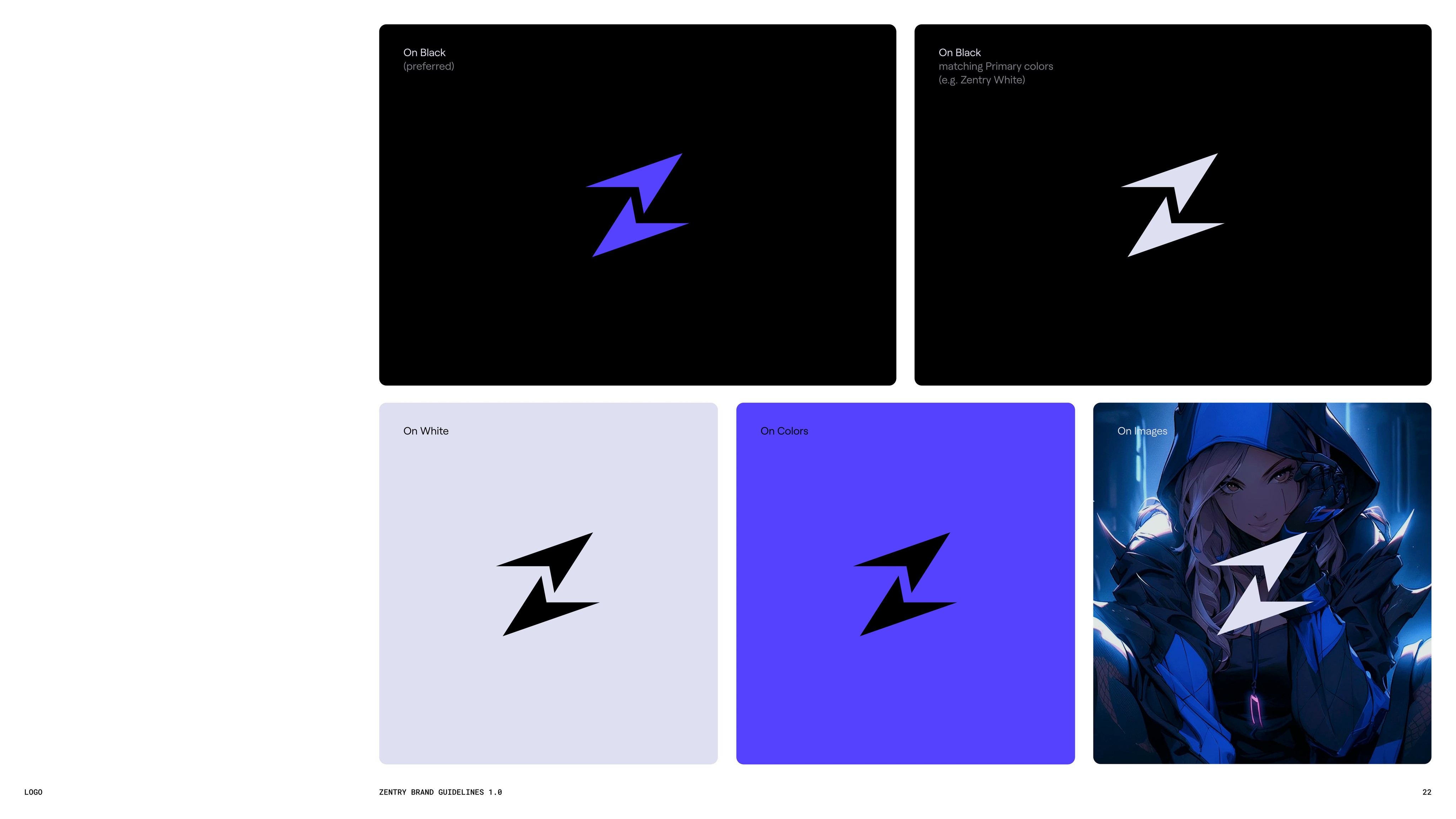
From Concept to a Fully Branded Identity
One of the most exciting milestones in this journey was when a renowned US agency took our initial concept and transformed it into a full-fledged branding book for Zentry. This set the foundation for our design language and corporate identity (CI), ensuring consistency and scalability across all touchpoints.

Zentry Vault • staking website
For Zentry's staking platform and airdrop, the goal was to make the experience feel smooth, clear, and rewarding. Staking can often feel complicated, so I focused on stripping away any unnecessary friction while still keeping it visually engaging. Early on, I worked with the team to nail down core requirements—what users needed to see, how they'd interact with the platform, and what would make staking feel more intuitive.
Once the basics were locked in, I explored different UX flows, testing ways to make staking and claiming rewards feel effortless. A big part of this was designing clear token states, transaction feedback, and reward visibility so users always knew where they stood. The airdrop followed a similar approach—keeping the claim process simple but with enough visual excitement to make it feel like an event rather than just another transaction.
As things took shape, I moved into high-fidelity design and prototyping, where motion played a key role. Staking and claiming should feel dynamic, not just like filling out a form. I worked closely with developers to bring these interactions to life, making sure everything felt polished and responsive across devices. Throughout, I kept Zentry's branding in mind, balancing a clean UI with the right amount of personality.
Execution was all about fine-tuning—iterating based on feedback, refining edge cases, and making sure the final experience was rock solid. I collaborated with engineers to smooth out transaction flows, optimize performance, and ensure error handling felt natural. In the end, the staking and airdrop experience came together as something that wasn't just functional, but actually enjoyable to use.